
“El Obeid City, North Kordofan – Sudan Faces Worsening Humanitarian Conditions”
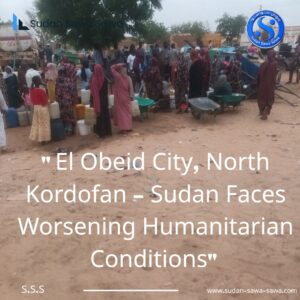 El Obeid, the capital city of North Kordofan – Sudan, is experiencing increasingly complex humanitarian and living conditions amid ongoing security tensions and restrictions on the movement of supplies from surrounding areas. The situation has had a direct impact on residents’ daily lives and the provision of essential services throughout the city.
Several residents and local sources told Sudan Sawa Sawa that El Obeid is facing mounting challenges across multiple sectors, including soaring prices of basic commodities, water and fuel shortages, transportation difficulties, and growing pressure on the healthcare system.
Rising Living Costs and Challenges in Meeting Basic Needs:
According to local sources, fuel and food prices have increased significantly in recent months, placing additional economic strain on households.Transportation within the city has also been affected by fuel shortages and rising operating costs, forcing many residents to walk long distances to carry out their daily activities.
Reports from local markets indicate that essential goods remain available; however, their prices have risen well beyond the purchasing power of many residents. In response, some traders have resorted to selling goods on credit to assist the most affected families.
In the water sector, residents continue to face difficulties accessing a reliable supply of water. The cost of water transportation has increased, while demand continues to grow, particularly in densely populated neighborhoods.
Growing Humanitarian Pressures:
Ongoing security tensions in areas surrounding El Obeid have led to the arrival of displaced people from neighboring localities, placing additional pressure on already limited services and resources within the city.
Residents also face daily challenges in obtaining bread and water, often waiting for hours to access basic necessities. The situation has heightened calls for stronger humanitarian assistance and greater support for affected communities.
Public services have deteriorated further due to prolonged power outages following the shutdown of some energy facilities. The electricity disruptions have negatively affected healthcare services, public utilities, and economic activities.
Escalating Security Concerns:
Although no direct ground clashes have been reported inside the city, residents remain concerned by repeated drone attacks and exchanges of shelling in the surrounding areas. These incidents have resulted in civilian casualties and property damage.
Security fears have prompted some families to relocate from neighborhoods considered more vulnerable to risk to other parts of the city in search of greater safety.
Residents have also reported growing concerns over looting and theft during nighttime hours, calling for stronger security measures and enhanced protection for civilians.
Healthcare Sector Under Significant Strain:
Despite increasing pressure caused by a growing number of patients and casualties, El Obeid’s healthcare sector continues to provide services. El Obeid Teaching Hospital remains one of the city’s main medical facilities, receiving a wide range of cases, but it faces challenges related to medical supplies and operational resources.
Healthcare workers say the rising cost of treatment has become an additional burden on patients and their families, underscoring the need for greater support to health institutions and enhanced operational capacity.
Calls for Stronger Humanitarian Response:
Amid these ongoing challenges, residents and local community leaders are calling for intensified humanitarian efforts to ensure the delivery of essential aid and support for healthcare, water, and food services. They are also urging stronger measures to protect civilians and mitigate the impact of the crisis on the most vulnerable groups.
The situation in El Obeid reflects the scale of the challenges facing conflict-affected communities across Sudan, where security pressures intersect with economic hardship and declining public services. The growing crisis highlights the urgent need for an effective humanitarian response to improve living conditions and strengthen the resilience of affected populations.