
“Daily Struggle for Water and Lack of Health Services Weigh on Residents in Kaiba, East Jebel Marra”
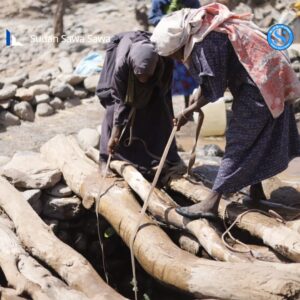 Residents of the Kaiba area, located west of Derbat in East Jebel Marra, are facing a worsening crisis in accessing water for daily use. The situation comes amid harsh living conditions and a long-standing lack of basic services in the region, which has further deteriorated following recent waves of displacement.
Most families in Kaiba rely on a deep traditional well where water is drawn using rudimentary methods—ropes and jerrycans—an exhausting process that requires significant time and effort. Fatima Omar Abdullah, a local resident, told Sudan Sawa Sawa that fetching water has become a burdensome part of daily life, particularly for women and children who shoulder the responsibility of carrying water over long distances.
Fatima noted that the well is affected by contamination from surrounding environmental factors, raising growing concerns about the safety of the water used for drinking and household purposes. The well also lacks adequate protective measures, exposing children to the risk of falling in. Residents are therefore calling for the well to be secured or for safer alternatives such as water tankers and storage tanks to be provided.
However, the challenges in Kaiba extend beyond the water crisis. The area also suffers from a clear lack of basic services, most notably healthcare. With the Derbat Rural Hospital no longer functioning due to shortages of staff and services, access to medical care has become increasingly difficult for residents.
Patients and pregnant women are often forced to travel long distances to areas such as Tawila or Golo to receive treatment. The journeys are usually made using rudimentary transport or by carrying patients on stretchers or pack animals, making the route to medical care particularly dangerous—especially in emergency situations.
Women bear the heaviest burden in the absence of basic healthcare services, as the risks of complications during childbirth increase while rapid access to medical facilities remains difficult.
Residents also link contaminated water to the spread of intestinal diseases and some chronic health problems, further worsening the fragile health situation and heightening the urgent need for safe water sources and medical services.
Despite these challenges, Kaiba’s residents hope that authorities and humanitarian organizations will intervene to find sustainable solutions to the water crisis and improve healthcare services. Proposed measures include drilling safe wells, rehabilitating health facilities, and opening roads to make medical care more accessible.
Residents believe that providing these basic services could ease their daily suffering and give the region a better chance to improve living conditions and strengthen the resilience of the local community.