
“Livelihood and Economic Challenges in Souq Kona (Kona Market), West Tawila area – North Darfur”
March 31, 2026
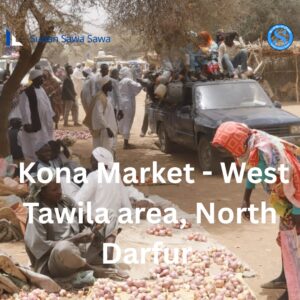 Residents of Souq Kona, located approximately 10 kilometers west of the Tawila area in North Darfur, are facing worsening living and economic conditions amid deteriorating infrastructure and rising costs of living. These challenges are directly affecting daily life and commercial activity in the area.
Speaking to Sudan Sawa Sawa, Musa Haroun, head of the local chamber of commerce said the market lacks proper roads, with poor conditions frequently causing vehicle breakdowns and occasional accidents, hindering the smooth flow of trade. However, he noted that the security situation remains relatively stable, allowing residents to carry out their daily activities.
Most residents rely on low-income activities, primarily cutting trees to produce charcoal. However, this work is insufficient to meet basic living needs. The departure of several traders, who have shifted to working in the forests, has further deepened the economic downturn, leading to reduced demand and rising levels of debt.
Small-scale traders are also struggling with weak purchasing power, resulting in unsold goods such as onions and soap piling up. Local estimates indicate a sharp rise in prices: a kilogram of meat now costs around 7,000 Sudanese pounds, while premium cuts reach up to 12,000. Prices of essential goods, including sugar and soap, have also increased significantly.
In a related account, Aisha Hassan Suleiman, a local resident, said she is forced to travel long distances weekly to bring vegetables from Tina using pack animals—a journey that takes two days. She emphasized that declining sales are making already difficult living conditions even worse.
Community representatives are increasingly calling on humanitarian organizations and relevant authorities to provide urgent support, particularly in improving roads, ensuring access to water, and promoting alternative economic activities. Such interventions, they say, are critical to strengthening community resilience and easing living pressures, especially with the rainy season approaching.