
“Medical Shortages and Lack of Maternity Services Put Derbat Health Center to the Humanitarian Test in East Jebel Marra”
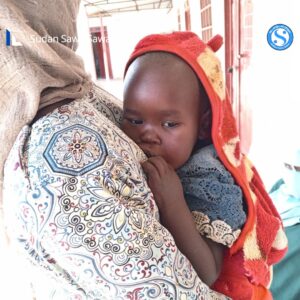 Derbat Health Center in East Jebel Marra is facing growing health challenges due to a severe shortage of medicines and therapeutic nutrition supplies. The shortage is directly affecting the center’s ability to provide medical services to residents at a time when it has remained the only functioning health facility in the area since 2024.
Abakar Mohamed Adam, a medical assistant speaking to Sudan Sawa Sawa, said the center operates under the support of the NGO called Jimko. The organization has provided medicines and some basic health services, but the scale of needs far exceeds the available resources, especially with the increasing number of patients arriving from nearby villages and surrounding areas.
The center receives around 200 patients daily, most of whom receive primary treatment before returning to their communities. However, staff say the growing shortage of medicines in recent weeks has become a serious challenge to maintaining health services.
The facility’s nutrition unit is also facing shortages of some therapeutic supplies for children, including fortified therapeutic biscuits used to treat malnutrition. This has raised concerns about the condition of children who require consistent nutritional care.
Volunteer Medical Staff:
Despite these challenges, the medical team continues to work out of humanitarian commitment. Several health workers have been volunteering for the past three months without salaries, as current support has been largely limited to the provision of medicines. Staff hope services can continue until at least April, with the possibility of expanded support for the center.
Environment-Related Diseases:
The region has also seen a rise in diseases linked to environmental conditions and weak water and sanitation services. The most common illnesses include respiratory infections, pneumonia, diarrhea, and malaria during the rainy season, in addition to eye and digestive diseases.
Health workers say contaminated drinking water and poor sanitation infrastructure are among the main factors contributing to the spread of these illnesses among residents.
Childbirth Challenges in Rural Areas:
Reproductive health services remain one of the most serious challenges facing women in the region. The absence of specialized doctors and limited medical resources forces many pregnant women to travel long distances to the towns of Golo or Tawila to access delivery services.
Abakar Mohamed Adam explained that some women are transported using very basic means along rough roads. In some cases, a pregnant woman is carried on a bed by villagers on their shoulders to reach the nearest hospital—an extremely dangerous journey that can sometimes lead to the loss of the mother’s life before reaching medical care.
Habiba Mohamed Abdel Karim Abdullah, a pregnant woman in the area, told Sudan Sawa Sawa that the lack of doctors, medicines, and delivery equipment at the health center forces many women to seek treatment outside the region despite the difficult and long journey.
Health Facilities Out of Service:
Health workers say several medical facilities in the area have stopped operating in recent months, including Tanga Hospital and Derbat Rural Hospital, both of which previously provided essential services to local residents. The closure of these facilities has increased pressure on Derbat Health Center, which has become the main destination for patients in the region.
Call for Greater Health Support:
Staff at the center say improving the health situation in East Jebel Marra requires stronger support for existing facilities, the provision of medicines and medical supplies, and increased assistance for child nutrition programs. They also stress the importance of expanding reproductive health services and reopening the hospitals that have ceased operations.
Abakar Mohamed Adam emphasized that providing these services would be a critical step toward easing the suffering of residents—particularly women and children—in a region where access to basic healthcare remains extremely limited.